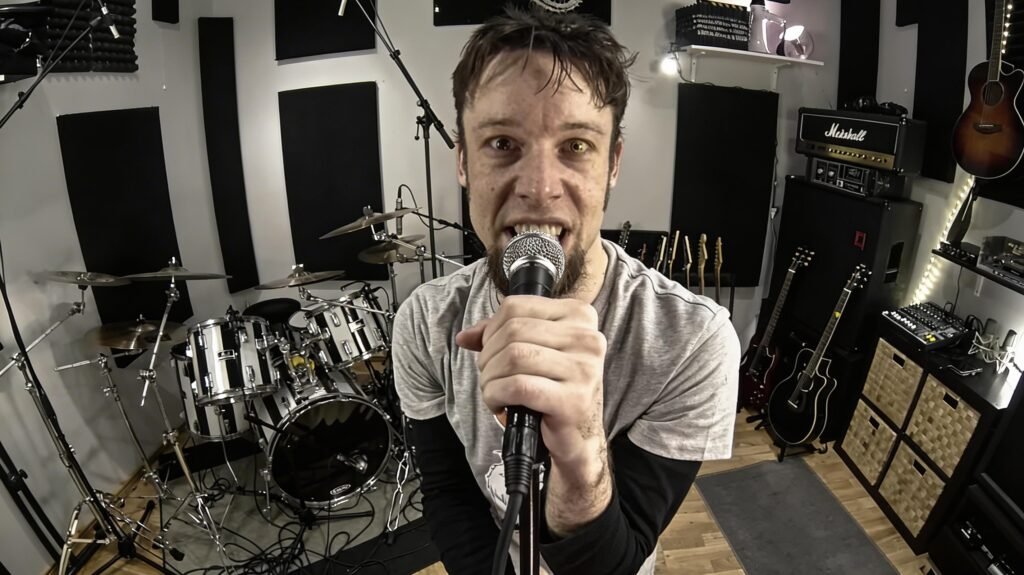
Leo Moracchioli did not disappear. Frog Leap Studios is still alive, the official channels are still up, and the project has clearly grown beyond a simple weekly-cover machine. What changed is pace. The old rhythm that made Frog Leap feel relentless is no longer the center of gravity.
For years, Leo felt less like a single musician and more like an entire corner of the internet. From his studio in Norway, he built Frog Leap Studios into one of the most recognizable cover brands in heavy music, turning pop hits, rock staples, dance tracks, and the occasional completely ridiculous choice into metal videos that millions of people actually wanted to replay. The official Frog Leap description still presents the project as a mix of covers, gear reviews, studio updates, and other chaos, which tells you a lot about how broad the brand became over time.
That broader identity matters when people ask what happened to Leo Moracchioli. The short answer is not scandal, collapse, or disappearance. It is transition. Frog Leap still exists, performances are still part of the picture, and the official resources still point people toward the project’s music and live presence. What ended was the feeling that a new metal cover was always just around the corner on the same relentless schedule.
How Leo Turned Frog Leap Into a Cover-Music Empire
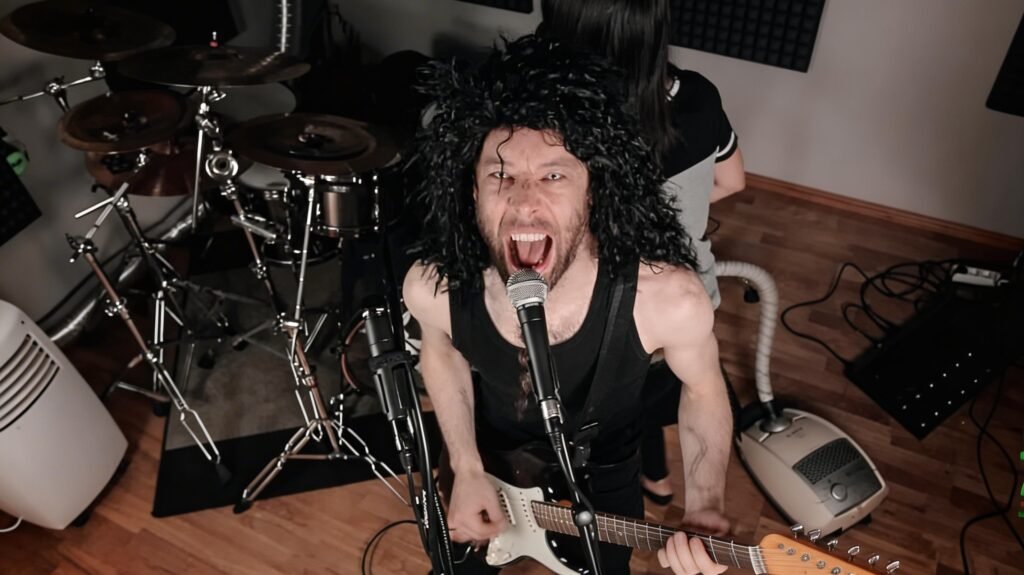
What made Leo stand out was never just the idea of “famous song, but metal.” Plenty of people had that idea. He made it repeatable. Frog Leap had a recognizable production style, a strong visual identity, a clear sense of humor, and just enough musicianship to stop the whole thing from becoming throwaway internet parody. The songs were familiar enough to click on, the arrangements were heavy enough to justify the concept, and the performances were committed enough to make even the dumbest idea feel like part of a real catalog.
The scale of the project also explains why the slowdown has felt so visible. This was not some niche YouTube side hustle. On the official channel, “Hello” is listed at about 74 million views and “Africa” at about 62 million, which is enough to show how far beyond metal-niche territory Frog Leap traveled. Those are the numbers of a project that stopped being “just a cover channel” a very long time ago.
That is also why the legacy angle matters here. If you want to understand what happened to Leo, you have to understand what he had already built. The weekly rhythm may have slowed, but the catalog is still large enough, famous enough, and distinctive enough that it continues to define how a lot of people think about internet-era metal covers.
The 12 Covers That Defined the Frog Leap Legacy
1. “Hello” (Adele cover)
If you had to explain Leo Moracchioli to someone with a single cover, “Hello” would still be one of the safest answers. It took a gigantic pop ballad and turned it into something darker, heavier, and more theatrical without losing the emotional weight that made the original so huge. This is the Frog Leap formula at near-perfect scale: instantly recognizable source material, a dramatic metal frame, and a chorus strong enough to survive the whole transformation. It also helps that the recording is publicly credited as featuring Pete Cottrell, which gives the performance a little more collaborative weight than people sometimes remember when they think of Frog Leap as a one-man machine.
2. “Africa” (Toto cover)
There are Leo covers that feel successful, and then there is “Africa,” which feels like a full blueprint for why Frog Leap became so big. The song already had nostalgia, melody, and mainstream familiarity built into it. Leo just pushed all of that into a heavier, brighter, more crowd-friendly shape. The guest billing matters too: this version is publicly credited to Leo with Hannah Boulton and Rabea Massaad, and that added presence helps explain why the cover feels so full and replayable rather than like a straight solo rework. It also remains one of the channel’s most recognizable giant hits, which is part of why it became so central to the Frog Leap identity.
3. “Feel Good Inc.” (Gorillaz cover)
“Feel Good Inc.” is one of the best examples of Leo as an arranger rather than just a concept-driven cover artist. The original song is too rhythmically distinctive and too strange to survive a lazy metal conversion. A weaker version would have flattened the groove and lost the personality. Leo’s version does the opposite. It keeps the pulse alive, sharpens the heaviness, and preserves enough of the track’s weird charm to make the whole thing feel deliberate rather than forced. The official channel still lists it among the videos most associated with Frog Leap’s long-run identity.
4. “Dance Monkey” (Tones and I cover)
By the time “Dance Monkey” hit Frog Leap, Leo was no longer just transforming older staples or obvious crossover picks. He was also fast enough to grab a huge current streaming-era hit and fold it into his own universe almost in real time. That mattered because it showed how well he understood internet momentum. The guest credit helps here too: the cover is publicly listed as featuring Rabea and Hannah, which gives the performance a little more lift and variety than a pure solo conversion would have had. Frog Leap worked partly because Leo understood timing as well as arrangement, but it also worked because he knew when an extra voice or presence could make a viral song feel bigger.
5. “Sultans of Swing” (Dire Straits cover)
This is one of the most useful covers for anyone who still thinks Frog Leap only worked when the source material was goofy, sugary, or obviously meme-friendly. “Sultans of Swing” is not a disposable viral hit. It is a guitar song with real prestige, and Leo treats it that way. The public video title also credits Mary Spender, which matters because her presence makes the whole thing feel less like a novelty experiment and more like a genuinely musical collaboration. That is part of why the cover lands so well. It does not just make the song heavier. It shows that Frog Leap could step into more respected, guitar-centered material and still sound convincing.
6. “Despacito” (Luis Fonsi cover)
Some Frog Leap covers became huge because they were emotionally right. Others became huge because the contrast was too absurd to ignore. “Despacito” belongs to the second group, but only partly. Yes, the basic concept is instantly clickable. But the reason the cover holds up is commitment. Leo never played this material like a throwaway joke. Even when the premise was ridiculous, the performance was real. That was one of the project’s great strengths: the joke might get you to click, but the commitment is what kept the channel from feeling disposable.
7. “Poker Face” (Lady Gaga cover)
If “Hello” shows Frog Leap at peak scale, “Poker Face” shows the earlier DNA of the whole idea. This is one of the foundational covers because it captures the promise of the format so clearly: take a massive pop song, keep the hook, exaggerate the tension, and make the final result feel both playful and strangely natural. In retrospect, songs like this were crucial. They taught the audience how to hear the Frog Leap concept, which made later, stranger picks much easier to accept.
8. “Zombie” (The Cranberries cover)
“Zombie” matters because it reminds you that the Frog Leap method was not only built for fun. A lot of Leo’s biggest videos thrive on novelty, contrast, or raw replay value. This one works for a different reason. The source material already had pain and heaviness in its bones, so the metal treatment does not feel like a prank. It feels like a legitimate alternate form of the song. That gives it a different kind of weight inside the catalog and helps widen what Frog Leap could mean emotionally.
9. “Bad Romance” (Lady Gaga cover)
Together with “Poker Face,” this is part of the Lady Gaga axis that helped define Leo’s public identity, but “Bad Romance” deserves its own place. The song is bigger, darker, and more theatrical by nature, which makes it almost ideal Frog Leap material. Leo did not need to force the transformation. He just pushed the song further in a direction it was already leaning. That made the cover feel huge without making it feel strained, and it is one of the cleaner examples of how well he understood which pop songs could absorb metal exaggeration without breaking.
10. “Listen to Your Heart” (Roxette cover)
This is one of the covers that expanded the emotional range of the Frog Leap audience. “Listen to Your Heart” is not here because it is the loudest or funniest video in the catalog. It is here because it gave Leo room to work with melody, sentiment, and a softer kind of nostalgia. The feature matters too: the video is publicly billed with Violet Orlandi, and that collaboration gives the performance extra warmth and melodic pull. Covers like this helped show that Frog Leap was not just a machine for stunt picks. It could also slow down, open up, and let a guest voice help carry the emotional center.
11. “Take on Me” (A-ha cover)
Some songs are so deeply wired into pop culture that covering them almost feels pointless. “Take on Me” is one of them, which is exactly why it belongs here. Leo’s version works because it does not try to out-clever the original. It accepts the song’s immortality and asks what happens when that melody gets pushed through a heavier frame. There is also a small extra layer here because of Leo’s Norwegian identity. It is not the main reason the cover works, but editorially it adds a little more texture to the story.
12. “The House of the Rising Sun” (The Animals cover)
This is a good way to close the list because it points to something older and deeper than the “viral pop hit becomes metal” formula people usually associate with Frog Leap. “The House of the Rising Sun” shows that the project was never only about trendy songs or internet whiplash. Underneath the format discipline and the humor, there was also a musician interested in making old material feel immediate again. It is not the flashiest entry in the twelve, but it rounds out the picture of what the Frog Leap machine could actually do.
What Actually Happened to the Weekly-Cover Era?
The most important point is still the simplest one: Leo did not vanish. The official site is live. The official YouTube channel is live. The project is still publicly framed as more than just a cover upload pipeline, and the official Frog Leap site still points fans toward music, merch, contact information, and live activity on Leo’s own platforms.
What changed is visibility of pace. During the peak years, Frog Leap felt like a machine built around expectation. The channel trained people to expect another transformation, another absurd choice, another hit rerouted through Leo’s particular mix of heaviness, humor, and studio precision. That feeling is much weaker now. Publicly, the project looks broader and a little less locked to the old weekly-cover identity. The official descriptions themselves suggest that shift by presenting Frog Leap as a wider creative brand rather than only a covers feed.
That does not tell us every private reason behind the slowdown, and it would be a mistake to invent them. But it does tell us enough to answer the search question honestly. What happened to Leo Moracchioli was not a disappearance. It was a shift from relentless weekly-output culture toward a broader, more flexible Frog Leap identity.
Leo Moracchioli’s Legacy
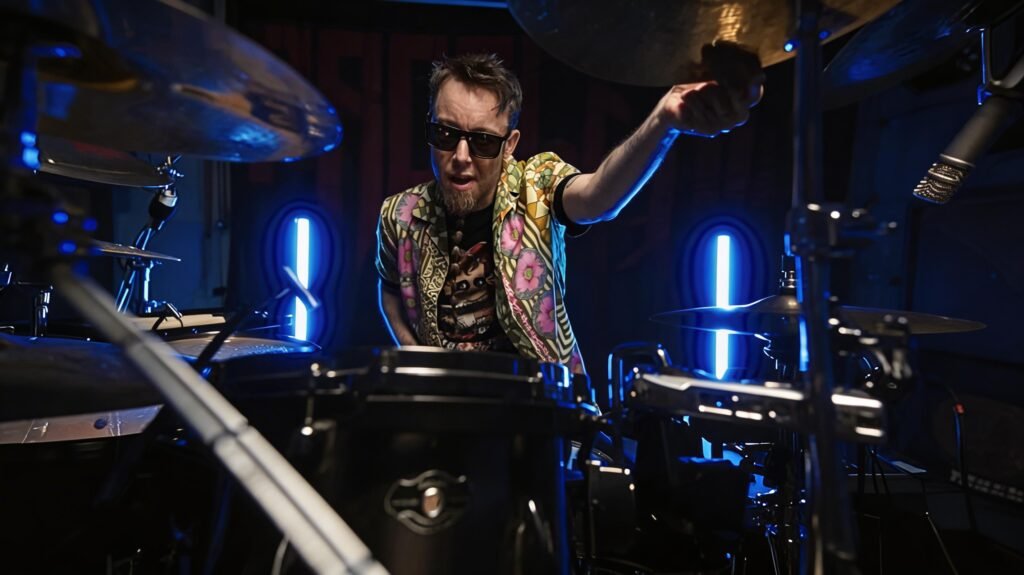
Leo matters because he helped prove something that seems obvious now but did not always seem obvious then: internet cover culture could become more than novelty. It could become a repeatable brand, a recognizable visual language, a merch ecosystem, a live draw, and a long-running identity people returned to for years. Frog Leap was not the only project to discover that, but it was one of the clearest and one of the biggest. The official site and YouTube channel still present it as a continuing brand rather than a dead archive, which fits that legacy perfectly.
That is also why this quieter phase feels so visible. When a channel helps define a format, even a slowdown starts to look like the end of an era. But the better reading is simpler. The era changed. The legacy did not. Whether Leo ever returns to a more regular cover rhythm or not, Frog Leap already did enough to secure its place in the story of internet-era heavy music.
If you enjoyed this spotlight, also check out our guides to the 15 Best Rock and Metal Covers of Pop Songs of All Time, Who Is MAPHRA? The Viral Metal Cover Breakout Heavy Music Can’t Ignore, and more handpicked features in our Cover Artists section.